Traditional Holidays and Dishes That Define Them
Seasonal celebrations often centre around food, with specific dishes prepared at the same time each year. These meals are not only about taste but also about ritual, symbolism, and shared memory within communities.
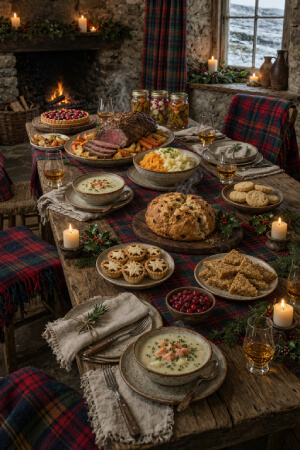
Festive Meals and Cultural Identity
The food they have at holidays and traditions are inseparable. In different regions, winter celebrations might include long-simmered meats, pickles, preserved vegetables, pastries, and rich desserts that have been the mainstays of cold-weather sustenance for generations. Nevertheless, in spring they turn towards fresh herbs, dairy products, and lighter fare; this is all associated with renewal and the cycle of agriculture. These are certainly generational dishes in a changing era: some are even provided with older recipes.
In rural areas, the practice of community dining-larger dishes are prepared for groups of people at one time-is not alien to many social and kin-based settings. The said large spaces serve dual functio; to bonding among a particular stratum of people, each sharing information related to their existence. Holiday meals are one fine example which must borrow recipes for good meals. They are not written but passed on educationally. Therefore, even if a few matters are not employed as required, the soul of them remains with the past, allowing for identification.
Symbolism in Holiday Foods
Beyond nourishment, many festive foods carry symbolic meaning. Bread, for example, may represent prosperity or unity, while certain sweets are associated with luck or celebration. Ingredients are often chosen deliberately, with colours, shapes, or preparation methods reflecting deeper cultural beliefs.
These symbolic dishes help preserve intangible heritage. Even when communities migrate or urbanise, recreating these meals allows people to stay connected to their roots, maintaining cultural continuity across generations and locations.
Recipes Passed Through Generations
Historical and legendary recipes often act as culinary anchors, linking present-day cooking to the past. These dishes tend to rely on simple ingredients but are defined by technique and tradition.
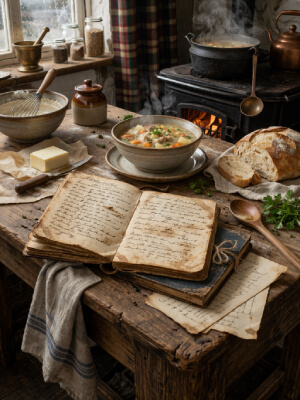
Family Recipes and Oral Tradition
Many iconic regional dishes exist primarily through oral transmission. Grandparents teach children how to prepare meals by feel rather than measurement, relying on experience rather than written instructions. This method allows for subtle variation while preserving the essence of the dish.
Over time, these recipes become family identifiers. A particular soup, stew, or pastry might differ slightly from household to household, yet all versions are recognised as part of the same broader tradition. This balance between consistency and variation is central to regional cuisine.
Historical Influences on Recipes
Trade routes, migration, and historical events have all shaped regional cooking. Ingredients introduced centuries ago often become staples, even if they originated elsewhere. Spices, grains, and cooking methods spread across regions, blending with local practices to create unique culinary identities.
Some recipes are directly linked to historical periods, such as times of scarcity or abundance. Dishes created during hardship often emphasise resourcefulness, using inexpensive or readily available ingredients. These recipes endure not only for their practicality but also for their cultural significance.
Geography and Its Influence on Regional Dishes
Geography plays a major role in shaping what people eat and how they prepare it. Natural resources, climate, and accessibility all contribute to distinct culinary styles.

Highland Communities and Traditional Dishes
Highland regions are often associated with hearty, warming foods designed to sustain people in colder climates. Root vegetables, grains, and preserved meats feature prominently, as these ingredients are durable and accessible in mountainous environments
Cooking methods in these areas tend to favour slow preparation, such as stewing or baking. This not only enhances flavour but also maximises the nutritional value of limited resources. The resulting dishes are often simple but deeply satisfying, reflecting both necessity and tradition.
Lowland and Urban Influences
Lowland areas and urban centres typically have greater access to diverse ingredients due to trade and transportation networks. This leads to more varied diets and the incorporation of external influences into local cuisine.
Urban cooking often evolves more quickly than rural traditions, adapting to changing lifestyles and preferences. Street food, market dishes, and restaurant culture all contribute to a dynamic culinary environment where traditional recipes coexist with modern interpretations.
Coastal and Fishing Communities
In coastal regions, seafood is a defining element of local cuisine. Fresh fish, shellfish, and sea plants are prepared using methods that highlight their natural flavours, such as grilling, curing, or light seasoning.
Fishing traditions also influence meal timing and preparation. Early morning catches are often cooked the same day, ensuring freshness. Preservation techniques like drying or salting have historically played a key role, allowing communities to store seafood for less abundant periods.
A Living Culinary Heritage
Regional culinary traditions are not static relics of history; rather, they work in continuous evolution. They represent the equilibrium between history, geography, and modern influence, guided by both needs and creative thought. To my mind, the study of how these traditions develop and evolve underscore an understanding that food is more than mere nutrition; it showcases a cultural history, renewed so often yet solidly grounded in common human experience.
Quick Links
Our Supporters

Dive into Scotland's culinary heritage with us as we explore the iconic *Haggis*, a dish that embodies tradition, flavors, and culture. #TasteTheWorld 🍽️✨ pic.twitter.com/Z1mHAp8VTg
— Danny Mei (@WorldTasteGuide) January 16, 2025